Heating · Cooling · Fuel
A warmer home.
A clearer way forward.
A cold room, an unfamiliar furnace sound, a fuel tank running low. Comelity helps you understand your home comfort needs and take the next sensible step.
Practical guidance. Straight answers. Comfort in every season.

Your comfort, connected
Three essentials.
One more comfortable home.
Equipment, upkeep, and fuel all play a part. Start with the area that needs your attention.
Keep the warmth working.
Understand furnace and boiler maintenance, uneven room temperatures, and the signs that a heating system needs professional attention.
Discuss a heating concernFind your summer balance.
Get oriented on airflow, air-conditioning upkeep, and heat pump performance before a small comfort problem becomes a seasonal headache.
Discuss a cooling concernPlan ahead for colder days.
Make sense of heating-oil and propane planning, tank-level checks, and the questions to ask your supplier before winter demand rises.
Read our fuel guidance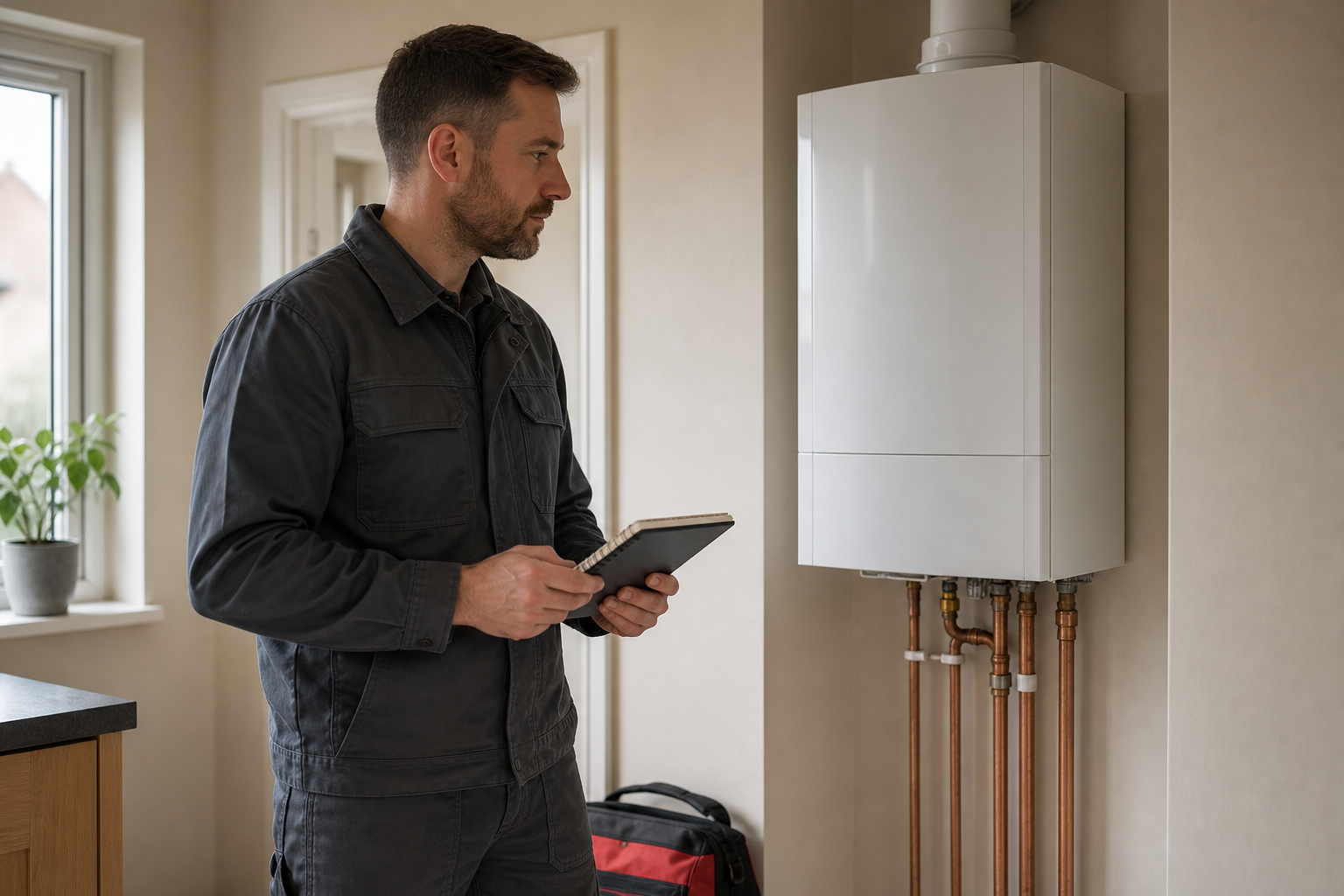
Less guesswork. More confidence.
Start with the symptom.
Not a sales pitch.
You should not need a technical vocabulary to ask for help. Tell us what you have noticed, how long it has been happening, and what kind of system heats or cools your home.
- Describe what feels wrong.A room that never warms up. Short heating cycles. A change in fuel use. The details matter.
- Put the system in context.Its fuel type, approximate age, and maintenance history can help clarify the question.
- Choose a sensible next step.Understand when routine upkeep may help and when an on-site professional assessment is needed.
A little attention goes a long way
Do not wait for the first cold night.
Check your thermostat settings, keep supply and return vents clear, and follow your equipment manual for filter care. For fuel-fired equipment, arrange professional maintenance and test carbon monoxide alarms according to their instructions.
Safety comes before troubleshooting.
If you smell gas, suspect a fuel leak, or hear a carbon monoxide alarm, leave the building and contact emergency services or your fuel provider from a safe location. Do not use this website to report an emergency.